
Bílá skvrna na 6/2 u 120h hodnoty
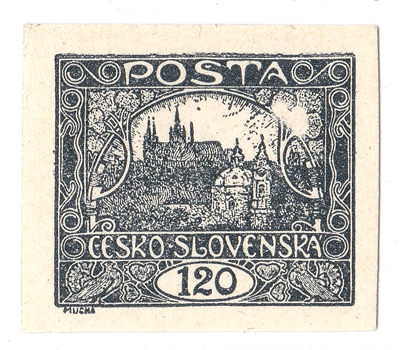
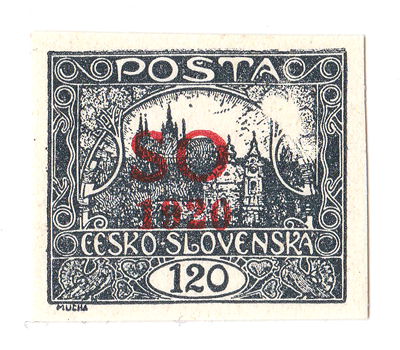
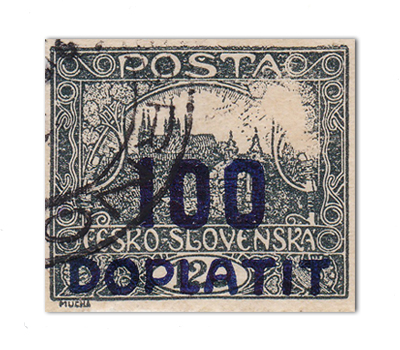
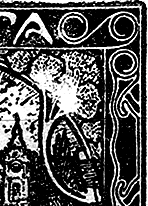
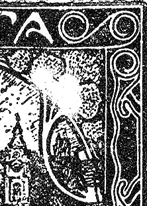
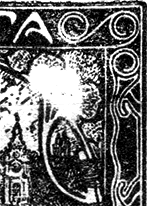
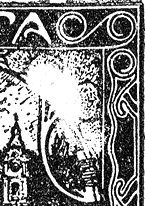
Při rekonstrukci tiskových desek hodnoty 120h jsem si všiml výrazné vady na 6. známkovém poli z druhé tiskové desky – velké bílé skvrny ve výzdobě v pravém horním rohu.
V Monografii československých známek č. 1 je o této bílé skvrně krátká zmínka. Nejdříve jsem považoval za důležité vědět, kdy se 120h hodnota začala tisknout. Ocituji netradiční definici – článek Jaroslava Lešetického z Filatelistické revue 10–11/1934:
„S tiskem známek 120haléřových bylo počato v ‚Unii' 23. července 1919 na augsburském stroji č. 2059, formát VII z roku 1883. Ve formě o čtyřech deskách byly na jedné svislé polovici dvě desky známek 120haléřových a na druhé dvě desky známek 5haléřových IV. typu. Touto formou bylo vytištěno 200 000 listů po 100 známkách čistého materiálu.
Po druhé byly tištěny 120hal. známky 1. srpna 1919, sestava desek byla opačná. Tištěno bylo 7 600 listů. Celkem bylo tedy vytištěno 207 600 listů, což činí 20 760 000 kusů známek.
Úřední pojmenování barvy: černá č. 809 firmy Kast-Ehinger ve Vídni. My filatelisté rozeznáváme původní barvu plně černou a pozdější černě šedou a výjimečně též světle šedou. Známky prvního nákladu byly dány do provozu 28. července 1919, druhý náklad po 1. srpnu 1919 postupně a společně s nákladem prvním. Známky 120haléřové byly vzaty z oběhu 30. dubna 1921. Jsou to jedny z nejzdařileji tištěných známek s obrazem Hradčan.“
Otázkou tedy je, kdy se daná vada projevila – během prvního nákladu, nebo až během druhého? Prakticky to znamená získat známku z tohoto pole s bílou skvrnou použitou mezi 28. červencem a 1. srpnem 1919. Zatím nejranější poštovní použití známky s touto vadou mám z října 1919. (Děkuji kolegům, kteří poskytli informace a skeny 6/II ze svých sbírek!)
Pokud máš, čtenáři, k dispozici poštovně použité známky 120h 6/II z přelomu července a srpna 1919, budu velmi vděčný za sken!
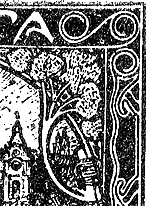
Vývoj výrobní vady – je znatelný směr rozšiřování skvrny:
Použitá literatura: Lešetický – Filatelistická revue 10–11/1934
White spot at 6/2 of the 120h
While reconstructing the plates of the 120h I noticed a striking flaw at field 6 of the second plate – a large white spot in the ornament in the upper right corner.
The Monograph of Czechoslovak Stamps No. 1 mentions this white spot briefly. First I considered it important to know when printing of the 120h began. Let me quote an unusual definition – Jaroslav Lešetický's article in Filatelistická revue 10–11/1934:
“Printing of the 120-heller stamps began at ‘Unie' on 23 July 1919 on Augsburg press no. 2059, format VII of 1883. In a forme of four plates, one vertical half carried two plates of 120-heller stamps and the other two plates of 5-heller stamps of type IV. With this forme 200,000 sheets of 100 stamps of clean material were printed.
The 120h stamps were printed a second time on 1 August 1919, with the plate arrangement reversed; 7,600 sheets were printed. In total, therefore, 207,600 sheets were printed, i.e. 20,760,000 stamps.
The official name of the colour is black no. 809 of the firm Kast-Ehinger, Vienna. We philatelists distinguish the original fully black colour, the later blackish grey and exceptionally also light grey. Stamps of the first printing were put into service on 28 July 1919, the second printing gradually after 1 August 1919 together with the first. The 120-heller stamps were withdrawn on 30 April 1921. They are among the most finely printed stamps with the Hradčany design.”
The question, then, is when the flaw appeared – during the first printing or only during the second? In practice this means finding a stamp from this field with the white spot used between 28 July and 1 August 1919. So far my earliest postal use of a stamp with this flaw is from October 1919. (Many thanks to the colleagues who provided information and scans of 6/II from their collections!)
Dear reader, if you have postally used 120h 6/II stamps from the turn of July and August 1919, I would be very grateful for a scan!
Development of the flaw – the direction of the spot's growth is noticeable:
Literature: Lešetický – Filatelistická revue 10–11/1934